
Foundations for a Healthier You
My Simple, Artful Path to Wellness
Nancy’s Artful Approach for Lifetime Nutrition
My Gift to You!
(And yes, I mean the info… not the car!)
Think of your body like a finely tuned machine—more complex than a car, but the analogy works. When food enters your stomach, it’s like filling a gas tank. Without fuel, your engine can’t run.
Our preferred fuel is glucose, which is absorbed from the intestines into the bloodstream and delivered to our cells. Just like a car needs fuel to run, our bodies rely on glucose to power the engine within us — the mitochondria.

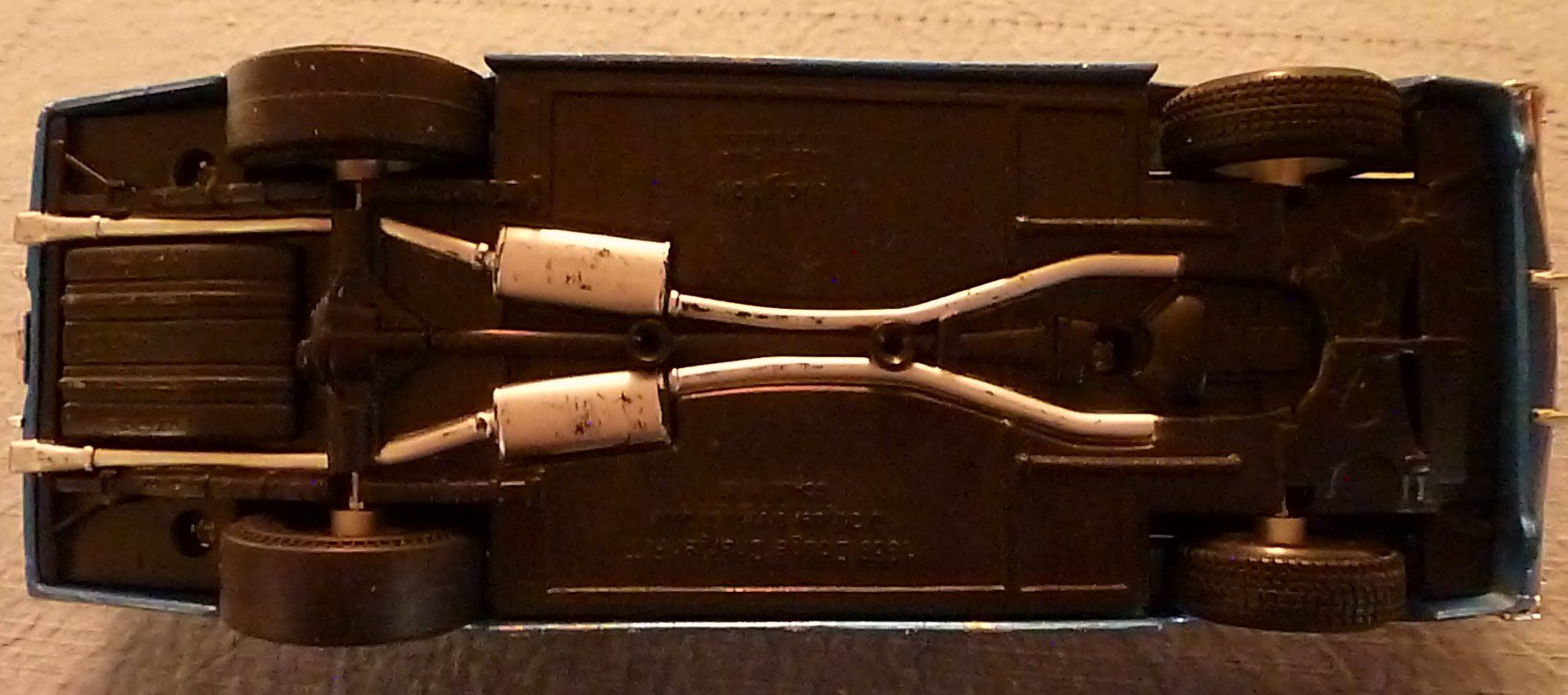

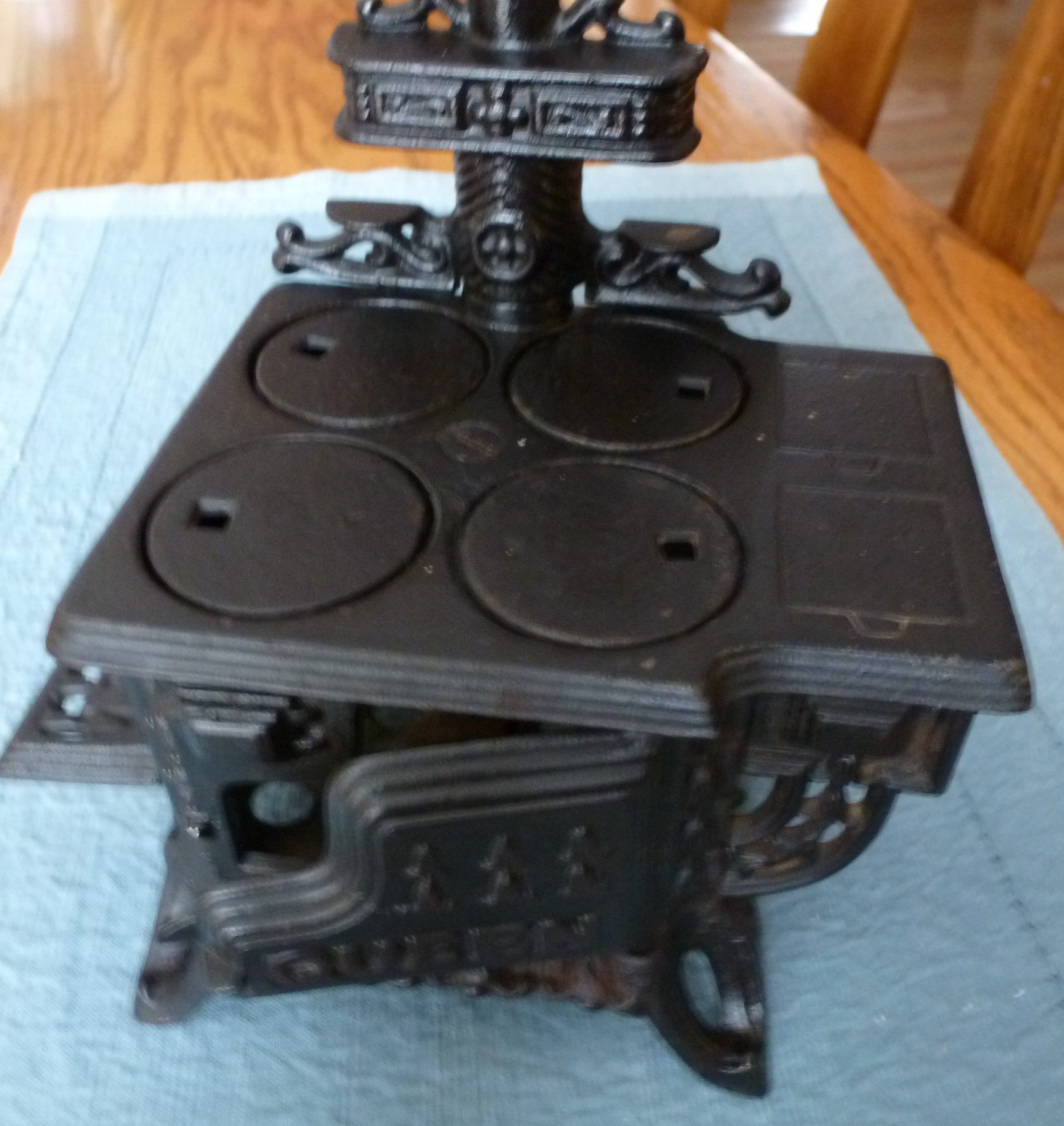
Our engines? Tiny powerhouses called mitochondria—I like to call them little coal stoves—found in every cell, where energy is made in the form of ATP. The blood stream works like the car’s fuel line, delivering glucose to all engines. And just like gas, glucose is made of carbon—the same element found in coal, gasoline, and even burnt toast.
Tip :
QUIRK: I know what's easiest to see here is the exhaust system. If you look carefully you'll see the fuel line of the car.
Your Reserve Tank of Fuel
Just like a motorcycle has a reserve tank, your liver stores glycogen, roughly half a cup of sugar, ready for backup. When your body starts tapping this reserve, it's due to the body cells wanting more fuel whether due to hypoglycemia (low blood sugar), insulin resistance or when stressed.
Your liver releases stored sugar...opposite to insulin when stressed such as having an emotionally charged situation or being sick or injured.
Tip :

Your liver releases stored sugar using hormones that act opposite to insulin:
- Glucagon – can make you feel queasy
- Adrenaline (epinephrine) – shakes, racing heart
- Cortisol – warm, sweaty, and sometimes a little cranky
QUIP:
One example of how our cells work is the 'sodium/potassium' shunt. All day long these two minerals (aka elements) move back and forth over the cell members to create electrical conduction. This allows regular heart beats to occur. If either mineral is too high or too low, it will make the heart beats to become irregular. This is the main reason that medical professionals include these on lab assessments.

Updates Include:
- Weight management & plateaus, GLP medications
- Become a Carbohydrate Expert.
- Diabetes Management (Type 1, Type 2, Gestational)
- High blood pressure & DASH diet application
- Cholesterol management & interpreting lab numbers
- Preventing CKD and supporting kidney health
- Liver health—what your numbers mean and actions you can take
- Family health—nutrition strategies for everyone
- Nutrition across the lifespan
- And more—just Ask Nancy!