
The Metabolic Syndrome Also known as The Thrifty Gene
Do you gain weight easily and find it difficult to lose it? You may have inherited the Thrifty Gene. This genetic trait was a survival advantage for your ancestors—when refrigeration, easy transportation, or local grocery stores didn’t exist. Bodies that stored energy efficiently had a better chance of surviving famines and long periods without food. In that context, gaining weight easily was a good thing.
Today, however, with abundant, easily accessible food and high-calorie options at every turn, that same gene can make weight management challenging. Sugar and fat, the most concentrated sources of calories, are everywhere.
I am sometimes called the “Dietitian who does not do diets” because I am a staunch advocate of Intuitive Eating and Mindful Eating—tools to help you manage weight and metabolic health without restriction or guilt.
Characteristics of the Metabolic Syndrome
People with the Thrifty Gene often exhibit traits associated with the Metabolic Syndrome, including:


"Are you an Apple Shape or a Pear Shape?"
- Central overweight or obesity—commonly described as an apple shape
- High blood pressure (hypertension)
- Elevated triglycerides, part of the total cholesterol profile
- Low HDL cholesterol, the “good” cholesterol
- Pre-diabetes or elevated blood sugar (glucose)
And sometimes conditions linked to excess insulin production, such as:
- PCOS – Polycystic Ovary Syndrome
- Gout – excess uric acid crystals forming in joints
- Fatty liver disease
- Symptoms of hypoglycemia (refer to The BASICS section)
The Metabolic Syndrome was first identified as Syndrome X by cardiologist Gerald M. Reaven in the late 1980s. It was later called Insulin Resistance Syndrome as excess insulin production was linked to cells resisting insulin’s action. Today, it is more commonly called Metabolic Syndrome or Cardiometabolic Syndrome, highlighting the associated cardiovascular risk. Fatty liver in this context is sometimes referred to as MASH – Metabolic Associated Steatosis Hepatic.
When Dr. Reaven first presented his findings, he was actually ridiculed for suggesting that people with this syndrome might benefit from eating more fat, not less, a revolutionary idea during the Low-Fat era of the 1980s and 1990s.
Understanding Insulin Resistance
Using the coal or wood stove analogy from The BASICS section, insulin resistance occurs when your cells don’t allow insulin to work efficiently to move glucose from the bloodstream into the cells.

QUIP:
Insulin resistance is like a coal or wood stove with doors that won’t fully open—the fuel (glucose) can’t get in efficiently. When this happens, cells “panic” and send SOS messages to the brain, which instructs the pancreas to produce more insulin. This can result in very high levels of insulin in the blood (hyperinsulinemia), or in some cases, the need for injectable insulin.
QUIRK:
Imagine one soldier trying to enter a fort but getting blocked. You call in the Army. If that’s not enough, the Navy and Marines (insulin injections) come to help.

QUIP:
The largest “shovels” of insulin represent hyperinsulinemia—the body’s way of trying to shovel fuel into resistant cells.

Insulin Sensitivity
The opposite of insulin resistance is insulin sensitivity, where cells allow glucose to enter easily—like a coal stove with wide-open doors. This efficient fuel use allows your cells to generate energy without requiring excessive insulin production.
People with insulin sensitivity typically have:
- Low triglycerides (often below 100 mg/dL)
- High HDL cholesterol (sometimes over 100 mg/dL)
TIP:
Diets rich in fiber, vitamins, and minerals, such as the Mediterranean Diet or the DASH Diet, support satiety, steady energy, and cellular function. Supporting insulin sensitivity involves strategies such as moderate carbohydrate intake, balanced meals, and behaviors that allow oxygen to flow through cells, analogous to fanning a fire for a strong burn.
QUIRK:
Just as stuffing a stove with too much coal or a wood log will smother the fire, overeating can interfere with your cells’ metabolism. Eating slightly less allows your cells to function optimally and helps maintain energy balance.


Carbohydrates and Energy
TIP:
Plants use sunlight, carbon dioxide (CO₂), and water to create carbohydrates—a process called photosynthesis—while releasing oxygen into the air. These carbohydrates eventually become a key source of energy for your body. Understanding this process helps you make more informed choices about how you eat and support your energy levels.
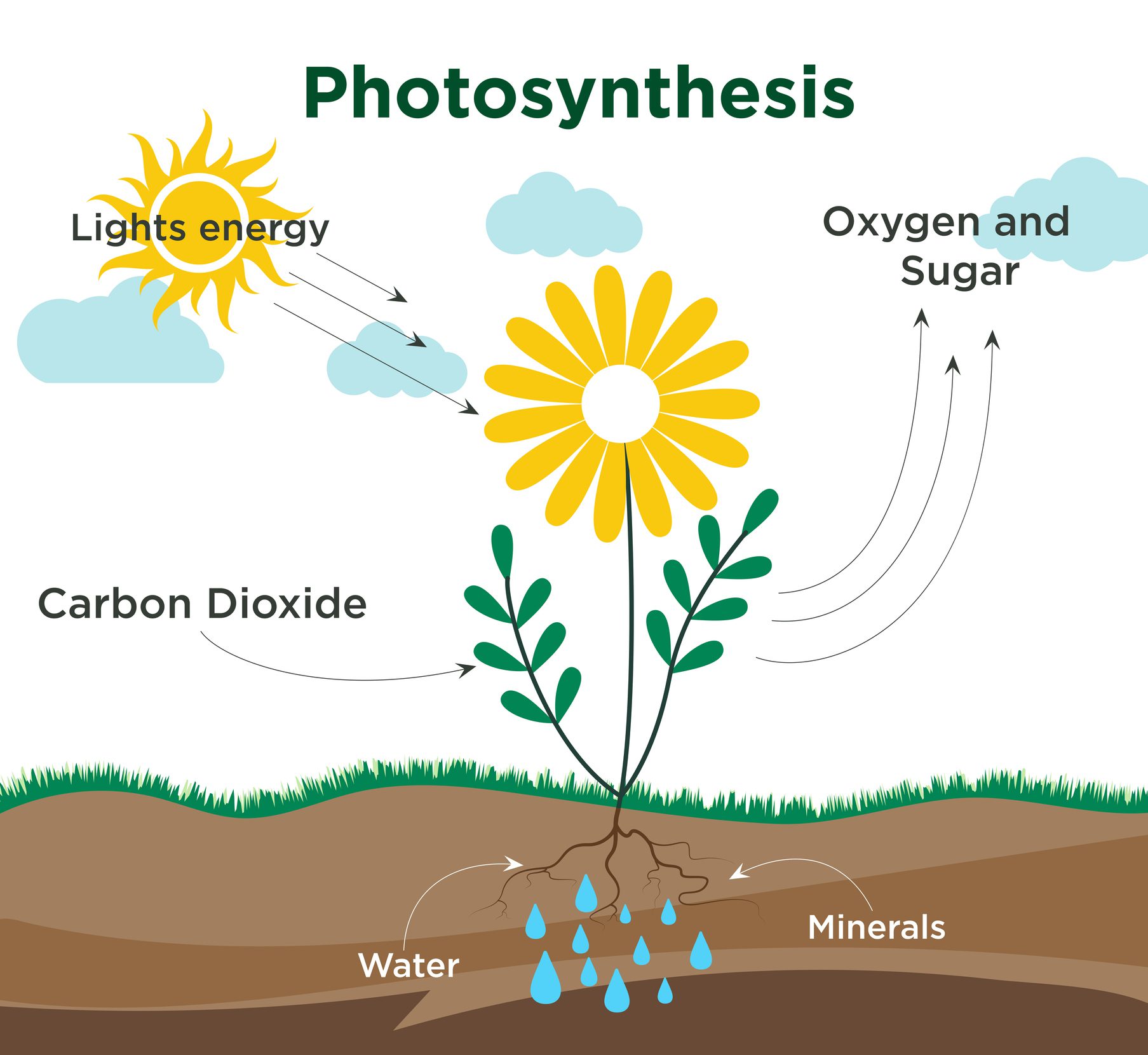
There are only 2 primary sources of carbohydrates. These are
1) Plant sources and plant in origin — even sugar comes from plant sources
2) Milk
QUIRK:
Flour contains more carbohydrates per volume than bread because it’s dry—Since sugar is both dry like flour and also is sweet it has double the carbohydrates of flour.
Managing carbohydrate intake with moderation, while pairing with protein and healthy fats, helps maintain energy without overtaxing your cells or raising insulin production unnecessarily.
Fats and Oils
Monounsaturated oils (olive oil, avocado, peanuts, egg yolks) support HDL cholesterol and help regulate LDL.
Omega-3 fatty acids from cold-water fish (salmon, herring, mackerel) are essential for cell health and remain soft or fluid in icy waters.
QUIRK:
Saturated fat turns solid in the fridge. Imagine if cold-water fish fat did the same—swimming would be impossible!
TIP:
Monounsaturated oils become cloudy or viscous when chilled in the refrigerator.
QUIRK:
I once chilled coconut milk for a New Year’s Eve party, thinking I was smart. It solidified like butter! Lesson learned.
Cod also contains beneficial omega-3 fats, and walnuts provide plant-based omega-3s, though they require biochemical conversion in the body to the marine form.
Practical Strategies
To support metabolism and overall health:
- Eat moderate portions, avoid becoming overstuffed.
- Emphasize monounsaturated and omega-3 fats
- Include fiber-rich foods like vegetables, fruits, legumes, and whole grains
QUIRK:
My personal motto is: BEANS, GREENS, and SARDINES (or salmon/cod—they just don’t rhyme!)
TIP:
Mindful and intuitive eating paired with balanced, nutrient-rich meals can help manage weight, blood sugar, and heart health without strict dieting.
Looking Ahead
This is just the beginning. Through the Subscription Plan, you will gain deeper insights into:
- Diabetes prevention and management
- Insulin resistance and sensitivity
- Metabolic health strategies
- Dietary approaches tailored to your needs
- And much more, all presented in a fun, approachable, and evidence-based style
Your journey toward lifelong metabolic health begins here, with knowledge, practical strategies, and a touch of humor to make learning both engaging and memorable.